
 Posted by
 Graduation day stands as one of the most significant milestones in a student’s life. It is a day overflowing with pride, joy, and a palpable sense of accomplishment. When you look out across the ceremony, the iconic image of a sea of graduates is defined by one major visual element: the caps and gowns. The cap and gown colors chosen for this event play a massive role in the ceremony’s visual identity and set the tone for the entire celebration.
Choosing the right graduation attire is about much more than just adhering to a dress code. It is a powerful way to honor long-standing traditions and showcase your school spirit one final time. Whether you are an administrator planning the ceremony or a student preparing for the big day, the visual impact of the regalia matters.
This guide is here to help you understand the deeper meaning behind graduation regalia colors and show you how to select the perfect shades to represent your school. We will explore everything from the history of academic regalia colors to creative ways you can express your unique pride.
Understanding Graduation Regalia Colors

The tradition of donning specific robes for academic ceremonies dates back centuries. While modern ceremonies are often vibrant and varied, the roots of those traditions are steeped in history, with specific shades representing different fields of study and levels of academic achievement. While many institutions today opt for their official school colors to create a unified brand, understanding the historical context adds a fascinating layer of meaning to your graduation attire.
Traditional Meanings of Academic Regalia Colors
Historically, the colors of graduation hoods, and sometimes the gowns themselves, served as a visual code indicating a graduate’s specific academic discipline. This system was standardized by the American Council on Education (ACE), creating a universal language for regalia color choices at the university level.
If you attend a college graduation, you might notice specific colors on hoods or velvet trims that tell you exactly what a student studied. For example:
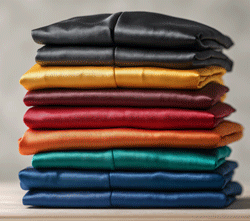
- Brown: Represents the Fine Arts.
- Drab (Light Brown): The traditional color for Business.
- Golden Yellow: Signifies a degree in Science.
- Green: Signifies Medicine.
- Light Blue: Worn by graduates in Education.
- White: Represents Arts, Letters, and Humanities.
While most high schools do not follow this complex university-level system, it serves as the foundation for all academic regalia colors. Knowing this history helps students appreciate that they are participating in a tradition that has celebrated scholars for hundreds of years.
How Schools Choose Their Colors
In the modern educational landscape, most high schools and many colleges diverge from the discipline-specific colors for the main gown. Instead, they choose cap and gown colors that strictly align with their official school branding. This creates a visually unified and spirited look during the ceremony.
There are different approaches to this. A school with blue and white colors might mandate that all students wear blue gowns to create a solid “block” of color. Or they might alternate, having half the class in blue and the other half in white. This alternating pattern can be visually striking in photos and is a powerful way to represent unity and institutional pride.

Matching Your Cap and Gown to School Colors
Ensuring that your graduation attire perfectly matches your school’s identity is a key part of the preparation. This will create a sense of belonging and community. Here is how you can ensure you get the look right.
- Identify Your School’s Official Colors
The first step is to confirm your school’s official Pantone or brand colors. While most people in your school and community likely know the general colors (e.g., “red and black”), specific shades can matter. Is the “red” a deep crimson or a bright cherry red? You can usually find this information on your school’s website, in the student handbook, or by asking a faculty member or graduation coordinator. Most schools have two primary colors, but some unique institutions may use one or three.
- Ordering and Customization
Once you have confirmed the specific hues, you can order your graduation regalia colors. Schools often work with a dedicated supplier to ensure all students have perfectly matching regalia. Using a preferred vendor prevents the mishap of one student wearing navy blue while another wears royal blue.
However, uniformity doesn’t mean a lack of personalization. This is where accessories like tassels, stoles, and cords come into play:

- Tassels: The tassel may be small but it is a significant accessory. Many schools use a two-tone tassel featuring both primary school colors to tie the look together. It is also common tradition for students to receive a tassel in a solid color and move it from the right side of the cap to the left to symbolize their transition from candidate to graduate.
- Stoles and Sashes: Stoles offer a larger canvas for displaying school spirit against the backdrop of the gown. They can be printed with the school’s name, logo, or graduation year in the institution’s colors. Honor students often wear stoles of a different color (like gold or silver) to signify their academic achievements.
Showcasing School Spirit Through Regalia
The colors of graduation are a fantastic way to boost excitement and create lasting memories of this special day. Schools and graduates often get creative with how they use color to make graduation day feel unique to their specific class.
For instance, some schools design custom stoles that feature the school mascot alongside the official colors, creating a very unique keepsake for every graduate. Another popular idea is to have students from different academic pathways or clubs wear specific-colored cords. A student might wear a pink cord for the music honor society and a green cord for student government. Customization allows your ceremony to celebrate many diverse individual accomplishments while maintaining a unified look with the primary cap and gown colors.
Tips for a Coordinated Look
You have selected your regalia color and your gown is ready to go—now, what do you wear underneath? Gowns are not entirely opaque and cover most of your body, so coordinating your personal attire with graduation regalia is essential for a polished look.
What to Wear Underneath

Since your gown will be the main focus, it is best to choose simple, comfortable clothing to wear underneath.
- Choose light fabrics: Graduation ceremonies can be long, and if you are graduating in the spring or summer, they often take place in warm weather. You will be wearing a synthetic layer over your clothes, so opt for breathable fabrics like cotton or linen to stay cool.
- Stick to neutral or complementary colors: Loud patterns or neon colors might show through lighter-colored gowns (especially white or yellow gowns). Neutrals like black, white, navy, or tan are safe bets. Another fun idea is to wear a solid color that complements your school’s graduation colors.
- Mind the neckline: A collared shirt or a modest neckline works well. A V-neck or scoop neck that sits below the gown’s neckline ensures that your street clothes don’t awkwardly peek out from the top of the gown.
Choosing the Right Accessories
Accessories should enhance your look and not compete with bold academic regalia colors.

Footwear: Comfort is the keyword! You will be doing a lot of standing, waiting in lines, and walking across a stage. Choose comfortable dress shoes, wedges, or stylish flats. Avoid stilettos that might sink into grassy fields or trip you up on stage.
Jewelry: Simple and elegant jewelry like stud earrings or a delicate necklace can add a touch of personal style without being distracting in photos.
Decorated Caps: Decorating your graduation cap is a fun tradition that allows for personal expression. Many students use glitter, paint, and flowers to thank their parents or state their future college. NOTE: Be sure to check your school’s policy on cap decorations beforehand. Some schools do not allow this.
Celebrate Your Achievement in Style
Choosing your cap and gown colors is an exciting part of the graduation journey. It is a chance to stand shoulder-to-shoulder with your classmates and proudly represent your high school or college community. The colors you wear symbolize your hard work, your school’s identity, and the bright future that lies ahead.
As you prepare for the big day, take pride in your graduation attire and the school spirit it represents. Your cap and gown are more than just clothing; they are symbols of a major life achievement.