 Posted by
 Graduation is a major milestone—a day filled with pride, reflection, and excitement for the future. However, as we look ahead to 2026, the traditional cap-and-gown ceremony is evolving. Institutions are actively seeking fresh graduation ceremony ideas to create more meaningful and memorable experiences for graduates and their families. Staying updated with the latest movements in event planning is key to organizing a commencement that truly resonates.
From tech-savvy celebrations to eco-conscious events, the way we honor academic achievements is changing. It is no longer just about handing out diplomas; it is about creating a day that not only marks the end of one chapter but also inspires the beginning of the next. We will explore five key graduation trends expected to shape ceremonies in 2026, offering innovative ideas to make your next commencement unforgettable.
Trend 1: Personalized Graduation Experiences
In 2026, expect to see a significant shift toward personalized experiences that celebrate the individual journey of each student. This trend graduation planners are prioritizing is all about making every student feel like the star of the show.
Custom Recognition
Instead of generic speeches, institutions are incorporating personalized shout-outs. This could involve reading a short, impactful quote from each graduate’s final paper or allowing them to submit a brief message of thanks to be displayed on screens as they walk across the stage.
Unique Award Categories
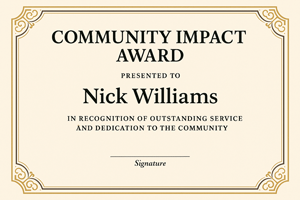
Moving beyond standard “valedictorian” and “salutatorian” titles, schools are creating unique awards that celebrate a wider range of talents and contributions. Think “Most Innovative Thinker,” “Community Impact Award,” or “Spirit of Resilience.”
Interactive Name Announcements
Some universities are letting students record the pronunciation of their own names beforehand. This ensures every name is announced correctly, adding a respectful and personal touch to their moment in the spotlight.
Trend 2: Technology Integration
Technology is no longer just a tool for virtual events; it is becoming an integral part of the in-person ceremony. The goal of this graduation trend is to enhance engagement, improve accessibility, and create a dynamic, immersive experience for everyone involved. Innovative tech is one of the most exciting commencement ideas for 2026.
- Augmented and Virtual Reality (AR/VR)
Imagine graduates using their smartphones to see digital fireworks explode over the stage. AR and VR can add a layer of fun and futuristic excitement to the day without the physical mess of confetti. - Social Media Walls
Displaying a live feed of social media posts using a dedicated event hashtag is a popular way to build a sense of community. Tools like Walls.io allow organizers to moderate these feeds to ensure a safe, positive environment while displaying user-generated content on large digital screens. - Interactive Programs
Digital programs, accessible via QR codes, can offer more than just a list of names. They can include links to graduate profiles, video messages from faculty, and interactive maps of the campus.
Trend 3: Eco-Friendly Celebrations

Sustainability is a growing priority for younger generations, and this value is being reflected in college graduation ceremonies. The graduation trend latest reports are highlighting involves a strong focus on eco-friendly practices that reduce waste and minimize the environmental impact of the event.
Eco-Friendly Attire
Many universities are now offering caps and gowns made from recycled materials, such as plastic bottles. Some are even organizing gown rental or buy-back programs to reduce waste, ensuring that these single-use garments don’t end up in landfills.
Digital-First Approach
Reducing paper use is a simple yet effective step. This includes sending digital invitations, using QR codes for programs, and opting for digital tickets instead of printed ones. It streamlines the process for families while saving thousands of sheets of paper.
Carbon-Neutral Events
Institutions are taking steps to offset the carbon footprint of their ceremonies. This can involve planting trees for each graduate, sourcing food from local, sustainable vendors for any associated receptions, and encouraging the use of public transportation to get to the venue.
Trend 4: Global and Inclusive Themes

As student bodies become more diverse, graduation ceremonies are evolving to reflect a wide range of cultures and backgrounds. In 2026, inclusivity will be at the forefront of graduation program ideas, ensuring every student feels a sense of belonging. This trend is about creating a ceremony that honors the rich tapestry of the graduating class.
- Diverse Speakers and Performers
Inviting keynote speakers from various backgrounds and incorporating multicultural performances, such as music or dance, can make the ceremony more representative of the student body. - Celebrating International Students
Many schools are finding ways to specially recognize their international students. This might include displaying flags from their home countries, offering translations of key parts of the ceremony, or allowing them to wear traditional attire or sashes. - Land Acknowledgements
Acknowledging the Indigenous lands on which the institution stands is becoming a standard practice. This shows respect for local history and culture, grounding the ceremony in its specific geographic and historical context.
Trend 5: Hybrid Graduation Models
The lessons learned from the recent wave of virtual events have not been forgotten. The hybrid model, blending in-person and virtual elements, has emerged as a practical and inclusive solution. This college graduation trend offers flexibility, allowing those who cannot attend in person to participate meaningfully. It is a key component of modern graduation ceremony ideas.

Increased Accessibility
Live-streaming the ceremony ensures that family and friends from around the world can celebrate with their graduates in real-time. This is especially important for international students or those with relatives who are unable to travel due to health or financial constraints.
Broader Participation
A hybrid model allows for interactive virtual components, such as digital guestbooks or virtual photo booths, where remote attendees can share messages and photos that are displayed during the live event. This connects physical and digital audiences seamlessly.
Flexibility for Graduates
While most graduates prefer to attend in person, offering a virtual participation option can accommodate students who may be unable to be there due to health reasons, travel constraints, or other personal circumstances.
Preparing for the Future of Graduation
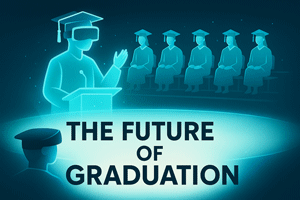
The future of college graduation ceremonies is bright, dynamic, and deeply personal. The graduation trends for 2026 reflect a move toward celebrations that are more inclusive, sustainable, and engaging than ever before. By embracing personalization, integrating technology, and adopting a global mindset, institutions can create commencement experiences that truly honor the incredible achievements of their graduates.
As you plan your next ceremony, think about which of these ideas resonates most with your institution’s values and your students’ expectations. How can you make your next graduation an event that everyone will remember for years to come?