 Posted by
 Graduation day is a sea of gowns and square caps, a visual reminder of years of hard work finally paying off. But amid that uniform look, you’ll spot splashes of color draped around certain graduates — cords, stoles, sashes, and hoods. These pieces are more than decoration. Understanding graduation regalia meaning helps you see what each graduate has accomplished.
Together, these accessories work like a visual resume, instantly communicating academic honors, club and honor society memberships, cultural pride, and degree level. This guide breaks down what each type of regalia means, how they differ, and how to wear them so you can fully appreciate — or proudly show off — every achievement on graduation day.

A Brief History of Graduation Regalia
Academic regalia traces back to the medieval universities of Europe in the 12th and 13th centuries. Many scholars were members of the clergy, and their long robes and hoods served a practical purpose: keeping them warm in unheated stone buildings. Over time, that necessity became a formal system of dress that set graduates apart by degree level and field of study.
In the United States, colleges and universities adopted the Intercollegiate Code of Academic Costume in the 1890s to standardize caps, gowns, and hoods. The American Council on Education revised the code in 1932 and still maintains it today. Cords, stoles, and sashes came later and aren’t governed by that code, which is why individual schools and honor societies set their own rules and colors for them.
What Do Cords Mean at Graduation?
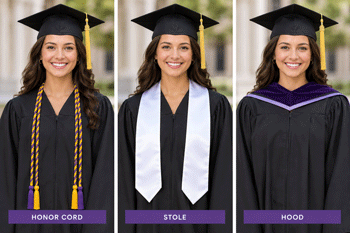
The meaning of cords at graduation is simple: they recognize achievement. Honor cords — often called graduation ropes — are twisted cords with a tassel at each end, worn around the back of the neck so the ends hang down the front of the gown. Each cord’s color represents a specific honor, organization, or field of study.
Honor cords are most commonly earned for:

- Latin honors: Graduating cum laude, magna cum laude, or summa cum laude based on GPA.
- Departmental honors: Excellence within a specific major or program.
- Honor society membership: Belonging to organizations like the National Honor Society in high school or national honor societies in college.
- Service and leadership: Recognition for volunteer hours, student government, or club leadership.
Gold is one of the most recognized cord colors and usually signals high academic achievement, but there’s no single national standard for cord colors — each school or organization sets its own. Because cords are thin, it’s common for high-achieving graduates to wear several at once. For a color-by-color breakdown, see Graduation Authority’s guide to graduation honor cord colors.
What Does a Graduation Stole Mean?
A graduation stole is a wide band of fabric, usually satin, worn around the neck so both ends hang down the front of the gown. Stoles are wider than cords, which gives them room for embroidery, printed text, logos, and patches.
Graduation stole meaning is often tied to membership or identity rather than grades alone. While stoles can mark academic honors, such as a valedictorian or honor roll stole, they’re frequently used for:

- Greek life: Fraternities and sororities often wear stoles with their Greek letters.
- Student government and clubs: Officers may wear stoles showing titles like President or Treasurer.
- Study abroad: Stoles featuring the flag of a country where the student studied.
- Cultural identity: Kente cloth stoles and other heritage stoles let graduates honor their background.
- School pride: Stoles in school colors printed with the school name, mascot, or graduation year.
Graduation Authority’s custom graduation stoles can be personalized with names, organizations, and graduation years in colors that match any school or club.
What Is a Graduation Sash?
The terms sash and stole are often used interchangeably, but there can be a difference. A sash is sometimes worn across the body from one shoulder to the opposite hip, rather than draped evenly around the neck. Graduation sash meaning usually centers on a specific title or role that needs to stand out from a distance, such as a pageant or homecoming title, a class officer role, or a special recognition.
Sashes are especially popular for younger graduates. At preschool and kindergarten ceremonies, a satin graduate sash is a simple, eye-catching way to mark the milestone. Graduation Authority currently offers sashes for preschool and kindergarten graduates.
What Does an Academic Hood Mean?
Academic hoods are the most formal piece of regalia and are worn mainly by college graduates, especially those earning master’s and doctoral degrees. Academic hood meaning is built into the hood’s colors, which follow the academic costume code:
- Velvet trim: The color of the velvet edging represents the graduate’s field of study, such as light blue for education, golden yellow for science, or purple for law.
- Satin lining: The lining shows the official color or colors of the school that awarded the degree, often with a chevron in a second school color.
- Shape and size: Hoods differ by degree level, with doctoral hoods the fullest and most elaborate, so the hood also signals how advanced the degree is.
Bachelor’s hoods are optional at many schools, while master’s and doctoral graduates are usually hooded as part of the ceremony, sometimes in a special hooding ceremony where a faculty member places the hood over the graduate’s head. Graduation Authority’s master’s graduation hood features velvet in your degree color with a lining and chevron in your school colors.
For more on what colors mean across the cap, gown, and hood, see the Complete Guide to Cap and Gown Colors.
How to Wear Honor Cords, Stoles, and Hoods
Wearing regalia correctly helps every piece look its best on stage and in photos.
- Honor cords: Drape the cord around the back of your neck so both tassels hang evenly down the front. If you wear several, layer them neatly and pin them to the gown at the shoulders so they don’t slide.
- Stoles: Center the stole at the back of your neck with the ends hanging evenly in front. Make sure any lettering or emblems face outward and sit at the same height on both sides.
- Hoods: Place the hood over your head with the velvet facing out and the point hanging down your back. Turn the satin lining out so the school colors show, and use the cord or loop at the front to secure the hood to a button or shirt so it doesn’t pull back on your neck.
- Wearing them together: Stoles are usually worn first, with cords layered on top. If you also wear a hood, follow your school’s guidance, since rules for combining regalia vary.
Personalizing Your Graduation Accessories
Graduation is a collective celebration, but each graduate’s path is individual. Custom regalia lets graduates highlight what made their journey unique.
- Add your name, organization, or graduation year to a custom stole.
- Wear cords that represent each honor society, club, or service program you earned.
- Choose a heritage or study abroad stole to celebrate your background or experiences.
Keep it professional, though. Regalia is part of a formal ceremony, so choose clean designs and check your school’s rules before adding custom pieces — some schools only allow regalia awarded by recognized organizations.
Cultural Significance of Graduation Accessories

Graduation traditions vary around the world. In the United Kingdom and many Commonwealth countries, each university designs its own gowns and hoods. In the United States, cultural heritage stoles, such as kente cloth stoles and stoles featuring national flags or traditional patterns, have become a meaningful way for graduates to honor their families and roots.
Many colleges also hold affinity graduation celebrations where these stoles are presented. Honoring these traditions turns the ceremony into a fuller picture of who each graduate is and where they come from.
Where to Get Graduation Accessories
Honor societies and schools often provide cords or stoles to eligible students. When they don’t, or when a club advisor needs accessories for a whole group, ordering from a dedicated graduation supplier helps keep colors and quality consistent. Plan ahead — custom stoles can take extra production time, so order well before your ceremony.
Shop Graduation Authority’s Honor Cords, Stoles & Sashes collection for honor cords and stoles for high school and college graduates.
Frequently Asked Questions
What is the meaning of cords at graduation?
Cords at graduation recognize a graduate’s achievements. Honor cords, also called graduation ropes, are typically earned for Latin honors, a high GPA, honor society membership, community service, or leadership. Each color represents a specific honor or organization, and gold usually signals high academic achievement. Because there’s no single national standard, each school or honor society decides what its cord colors mean.
What does a graduation stole mean?
A graduation stole is a wide band of fabric worn around the neck that represents an achievement, membership, or identity. Stoles often show Greek life affiliations, student government roles, honor society membership, study abroad experience, or cultural heritage. Unlike thinner cords, stoles have room for embroidery and printed text, so they can display names, logos, or graduation years in school or organization colors.
What do the colors on an academic hood mean?
The colors on an academic hood show two things. The velvet trim represents the graduate’s field of study, such as light blue for education or golden yellow for science, based on the academic costume code. The satin lining shows the official colors of the school that awarded the degree. Hood shape and size also differ by degree level, with doctoral hoods the fullest.
Wear Every Thread with Pride
Graduation regalia turns a standard cap and gown into a personal celebration. Honor cords recognize achievement, stoles show membership and identity, sashes spotlight special titles, and hoods signal degree level and field of study. Whether you’re wearing a single gold cord or a stole, cords, and hood together, each piece represents a chapter of your story — and you’ve earned every thread.
Ready to complete your graduation look? Shop Graduation Authority’s Honor Cords, Stoles & Sashes collection to find honor cords and stoles for your big day.